
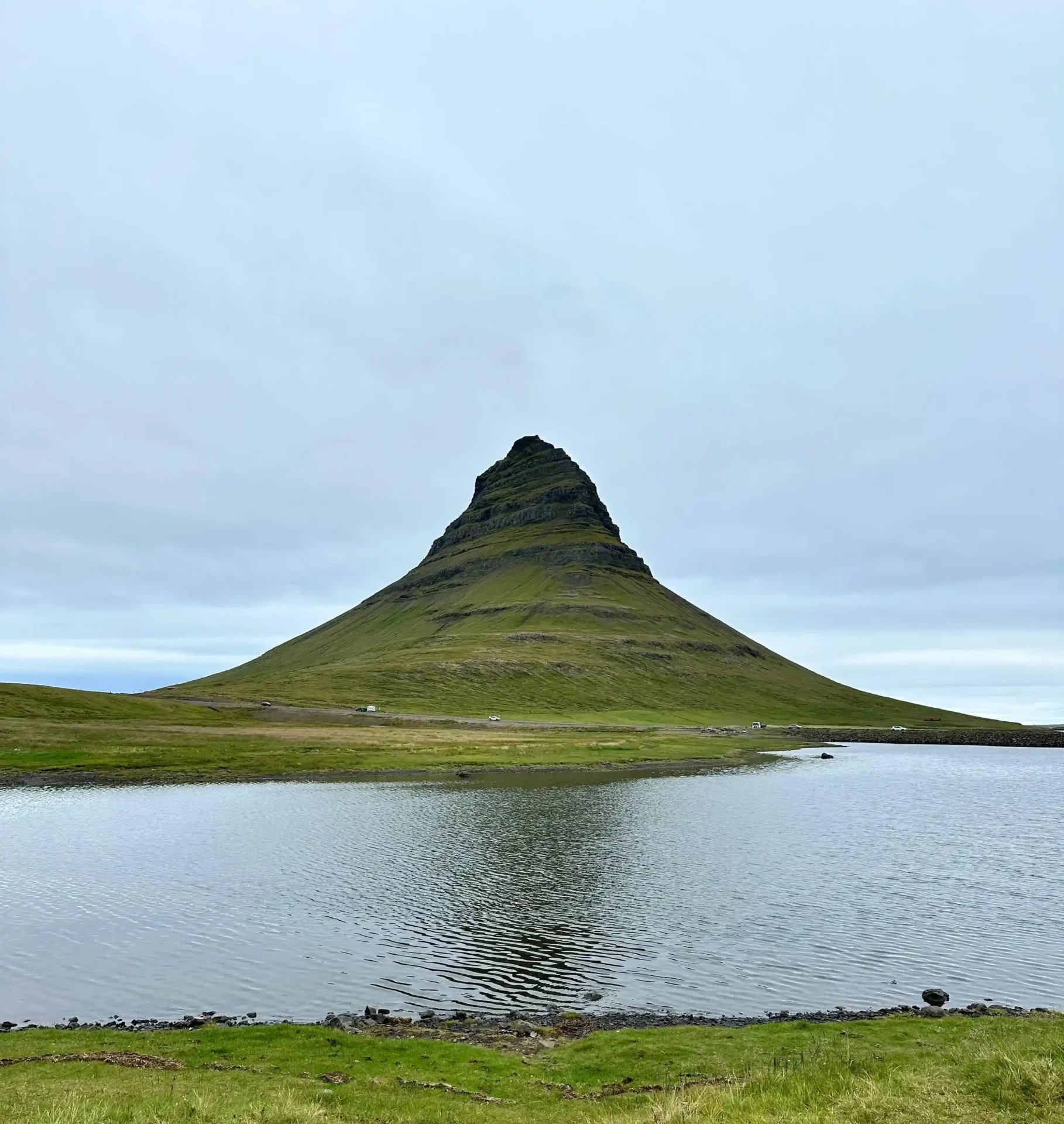
12 things to consider before traveling to Iceland in the summer with a campervan

Iceland in the summer is absolutely spectacular, and traveling by campervan gives you the ultimate freedom to explore. But there are a few things you need to keep in mind to make your adventure easier. So, I thought I'd help you out with 12 ideas that we took into account on our trip and that I hope will help you too.
And if you want to read more about Iceland, you can find out what clothes you need in this article or about our 8 days itinerary from this article.
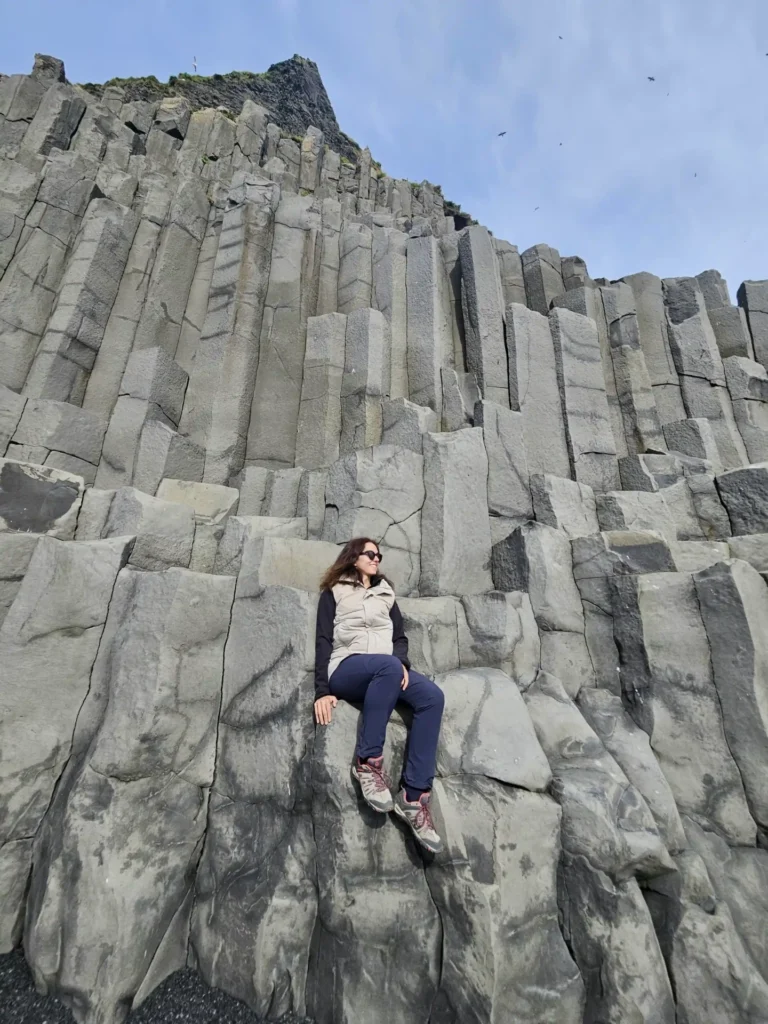
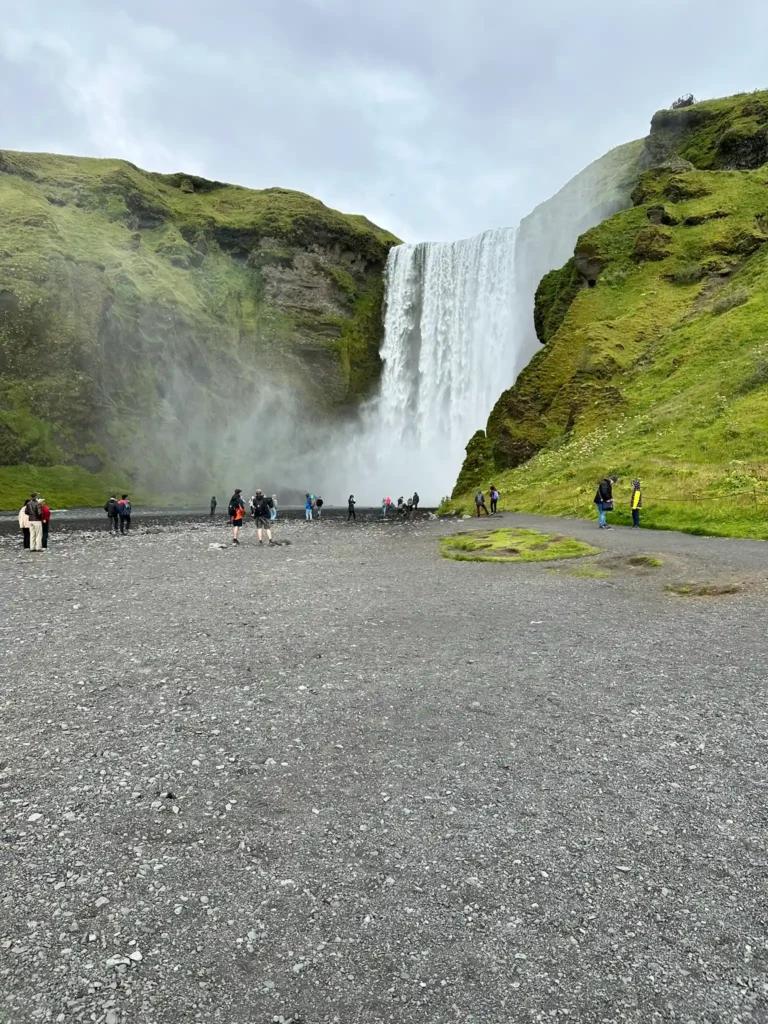
1. Plan ahead (but leave room for spontaneity)
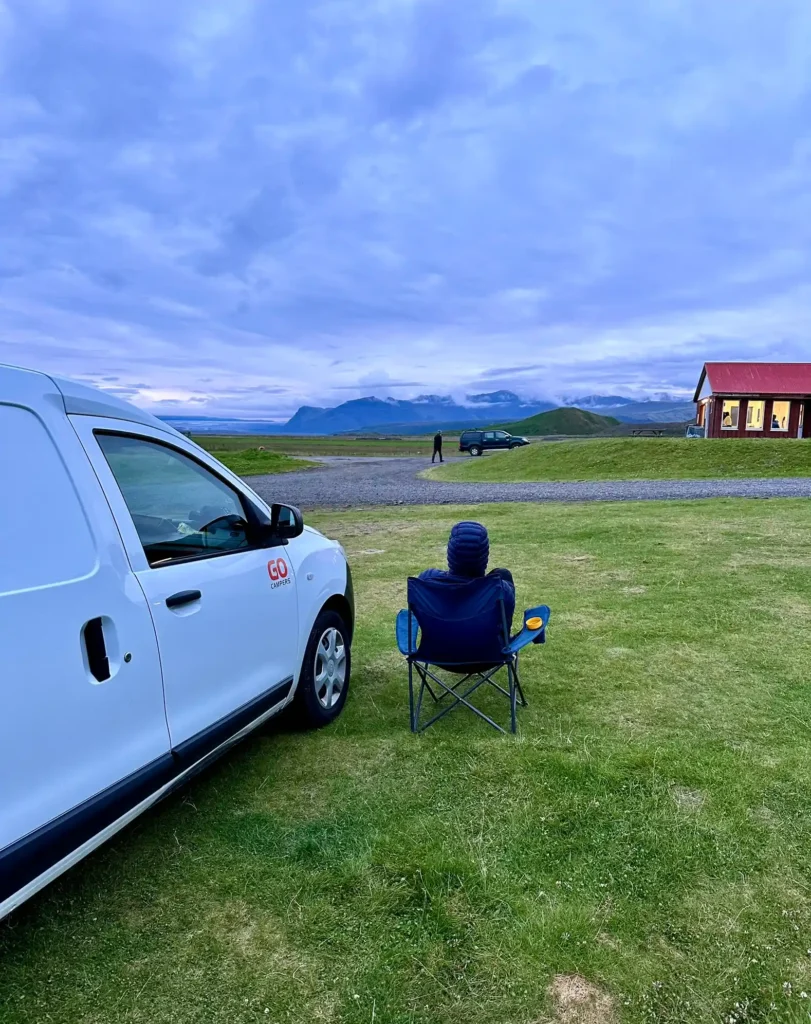
Summer (June–August) is peak season, so campervans and good campsites get booked up quickly. We, for example, booked our campervan from GoCampers in March for our departure in August. We had a fairly well-planned itinerary, but we didn't overcrowd each day because the weather can change suddenly, so it's useful to have a flexible plan.
2. Choose the right campervan
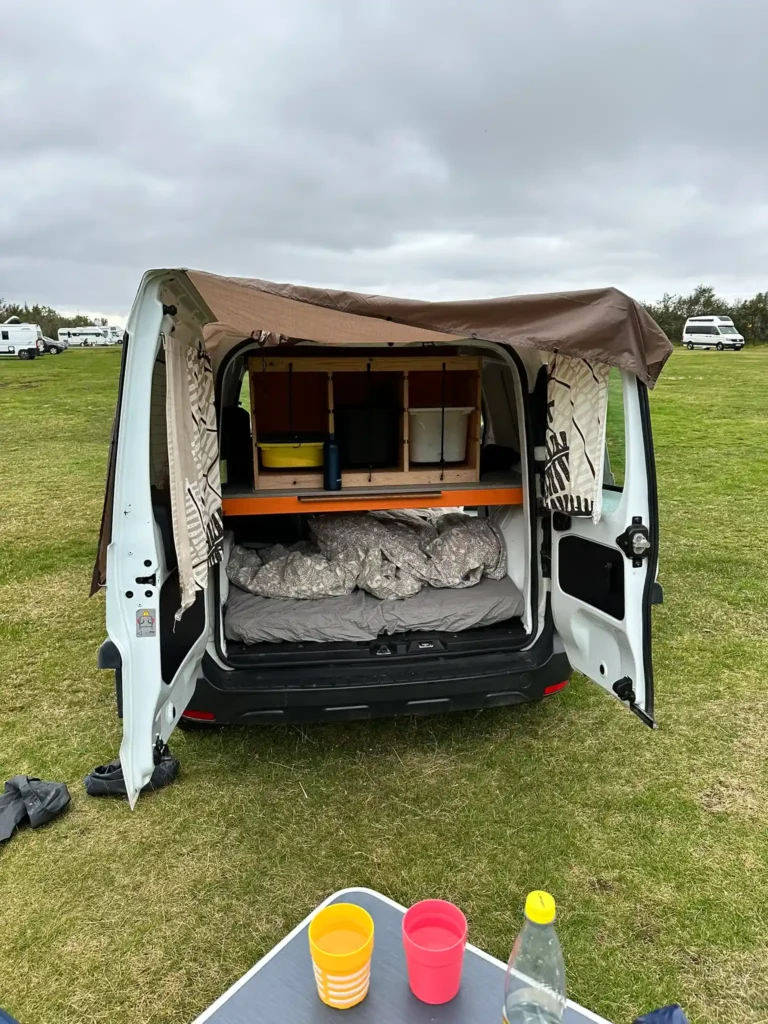
Think about the number of people, the space you need, and whether you want an integrated toilet/shower. Check what is included in the price: blankets, cooking utensils, folding chairs, night heating, etc. If you want more amenities, the prices are naturally higher. In our case, we chose the budget campervan, Dacia Doker with cooking utensils, 2 sleeping bags, and 2 duvets, only with the sleeping area inside, and we cooked outside. This model did not have extra heating.
3. Campsites and camping rules
It is no longer legal to camp freely anywhere. You must use authorized campsites. You can choose between Iceland Camping Card (valid for 28 nights in over 40 campsites – very useful if you are staying longer, as you can save quite a lot). Usually, some campsites do not require advance booking, but there are other smaller ones in more difficult to access areas, where I recommend booking your place. Useful apps you should have installed: Park4Night, Camping.info, Google Maps – it helps to have all the campsites listed in one place.
I'll leave you the map with the campsites we visited and the sights we saw, but for more details about them, please click on this link which will take you to the article.
4. Safety and useful applications for the weather
Îți recomand să ții cont de următoarele aplicații:
5. Roads and driving
In Iceland, the wind is something special. And if you get caught in a super strong gust, well, hold on tight. It's also super important to be careful how you open car doors in strong winds because they can get ripped off, and no insurance covers this kind of damage.
The Ring Road (Route 1) is paved and accessible to any vehicle. Usually, the roads surrounding the island and leading to the most popular tourist attractions are paved and suitable for any type of car. However, there are also F-Road, especially in the interior of the island, where a 4×4 is mandatory because the roads are unpaved, sometimes flooded from melting ice, and volcanic sand can severely damage your car. Standard campervans are usually not allowed there. And last but not least, obey the speed limits, as most of them have fixed cameras.
6. Everything about paying the parking
Most parking lots (in cities or at tourist attractions) can be paid for through the Parka app, where it is recommended that you register your car's license plate number and card before making your first payment. You can extend your parking session through the app without having to return to your car. You can also use Parka to book certain campsites. Keep in mind that in some places, the parking fee is for the entire day, so even if you arrive just 5-10 minutes before midnight, you will still pay for the entire day. Read each information panel at tourist attractions carefully, as they are very detailed.
7. Changing weather
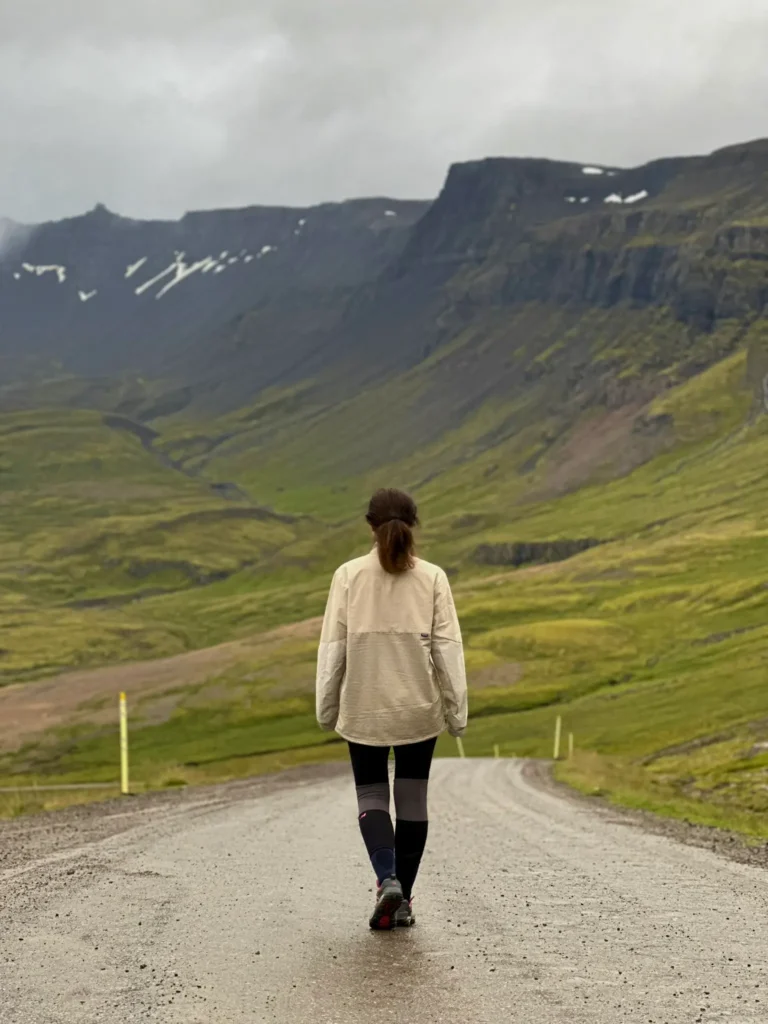
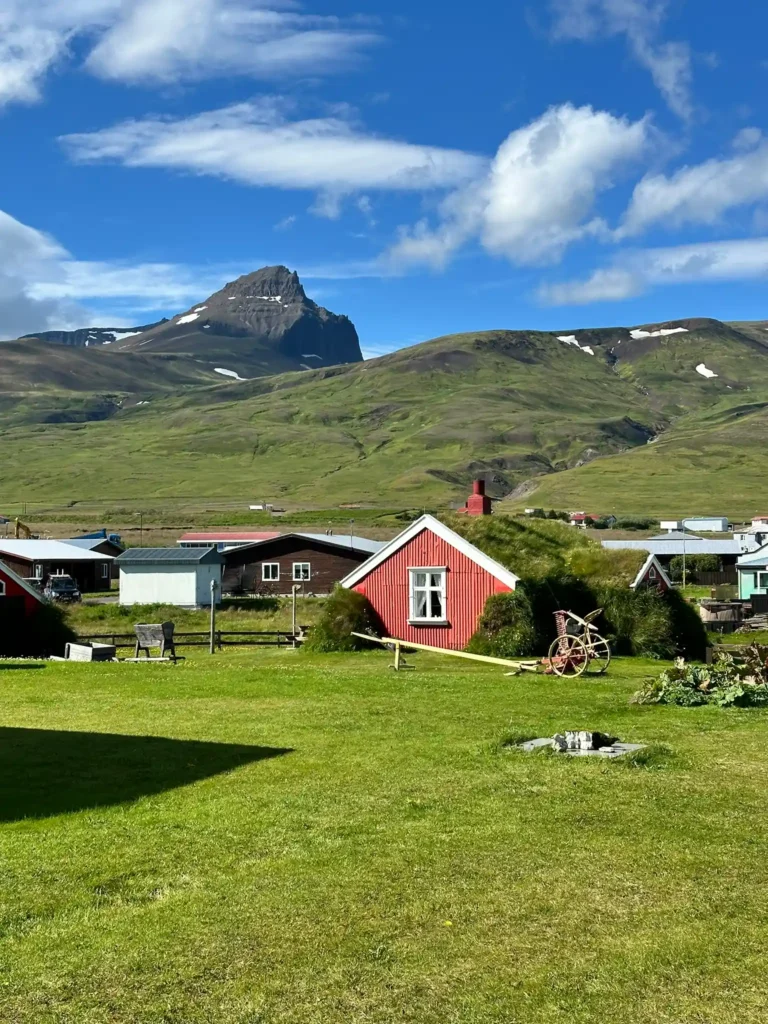
You can experience all four seasons in a single day in Iceland, so it is necessary to have all types of clothing, from a down jacket to a windproof fleece and waterproof pants, as well as T-shirts and thermal clothing. Luckily for you, I already have an article on the blog covering this topic, where you can see exactly what type of clothing we wore and where we bought it. In this article, you will also find what types of boots we have, because they are extremely important.
And it's very important to bring an eye mask with you, especially if you're going in June or July when it's Midnight Sun.
Below is a table showing the average temperatures for each month of the year to give you an idea of what to expect when you travel there. However, it is also a good idea to check temperature apps to get an accurate picture.
|
MONTH |
MAX |
MIN |
|---|---|---|
|
January |
2°C |
-3°C |
|
February |
3°C |
-2°C |
|
March |
3°C |
-2°C |
|
April |
6°C |
0°C |
|
May |
9°C |
3°C |
|
June |
12°C |
7°C |
|
July |
14°C |
9°C |
|
August |
13°C |
9°C |
|
September |
10°C |
5°C |
|
October |
7°C |
2°C |
|
November |
4°C |
-1°C |
|
December |
2°C |
-3°C |
8. Planning your trip according to the time of year
For the most part, Iceland has two seasons and two weather patterns. It is true that there is also spring and autumn, but they are much shorter than summer and winter. The same is true of the polar night and the midnight sun.
Because Iceland is quite close to the Arctic Circle, thePolar Nightis not 100% complete, but from around the end of November to mid-January, the days are extremely short: daylight lasts for around 4–5 hours in Reykjavík, and even less in the north of the island (Akureyri). It's the perfect time to capture the northern lights and for dramatic blue hour photos. You can't really do much because it's extremely cold, the wind can be very strong, and you're limited by the light.
On the other hand, Midnight Sun is the phenomenon when the sun does not set at all, and this phenomenon can be observed, not 100% completely, from the end of May to mid-July. It coincides exactly with the summer when temperatures are milder and you can spend a lot of time outside, hiking, visiting various waterfalls, or kayaking through the glacier lagoon.
9. Show respect to the nature
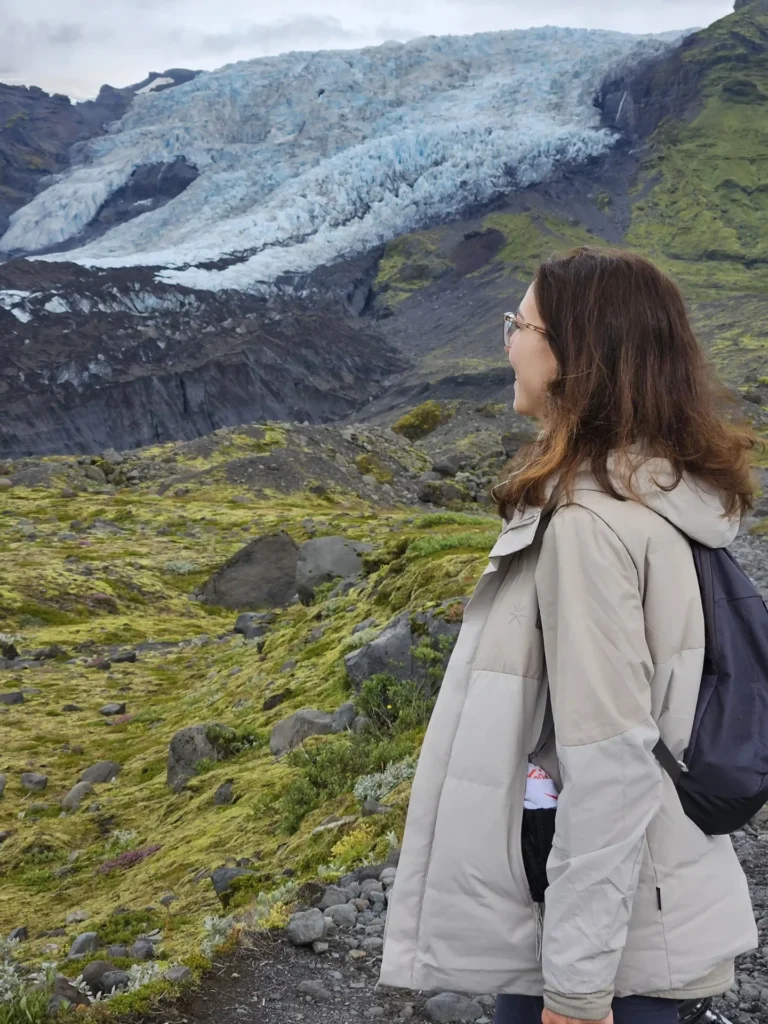
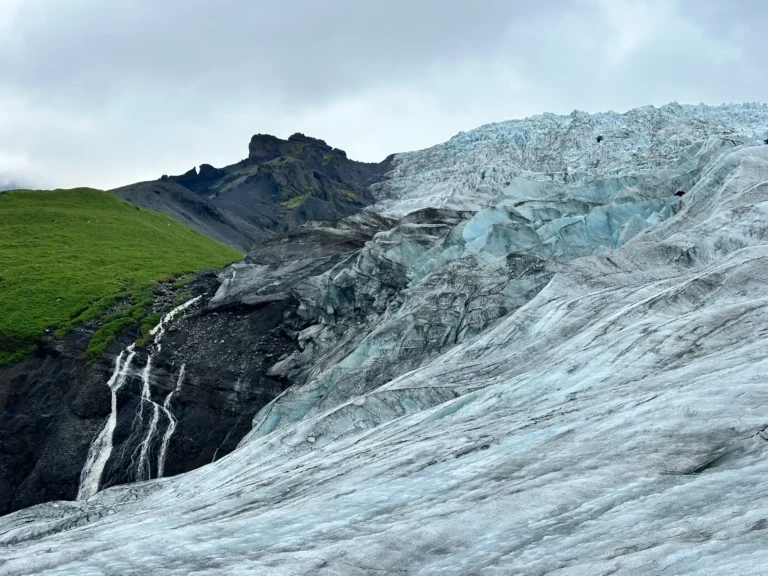
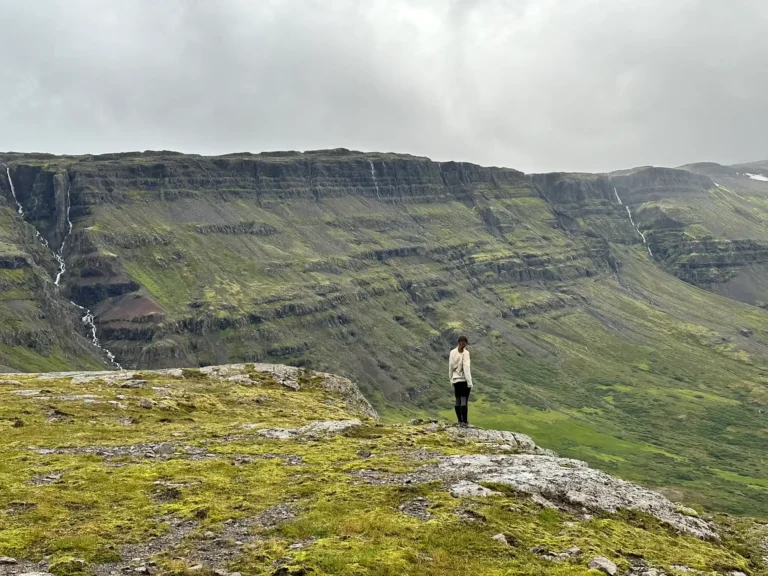
Iceland has a very fragile ecosystem – be a responsible tourist. Do not walk on green moss because it takes decades to regenerate. Do not leave trash behind, do not collect stones or sand from protected areas. Be careful around glaciers because they are melting very quickly.
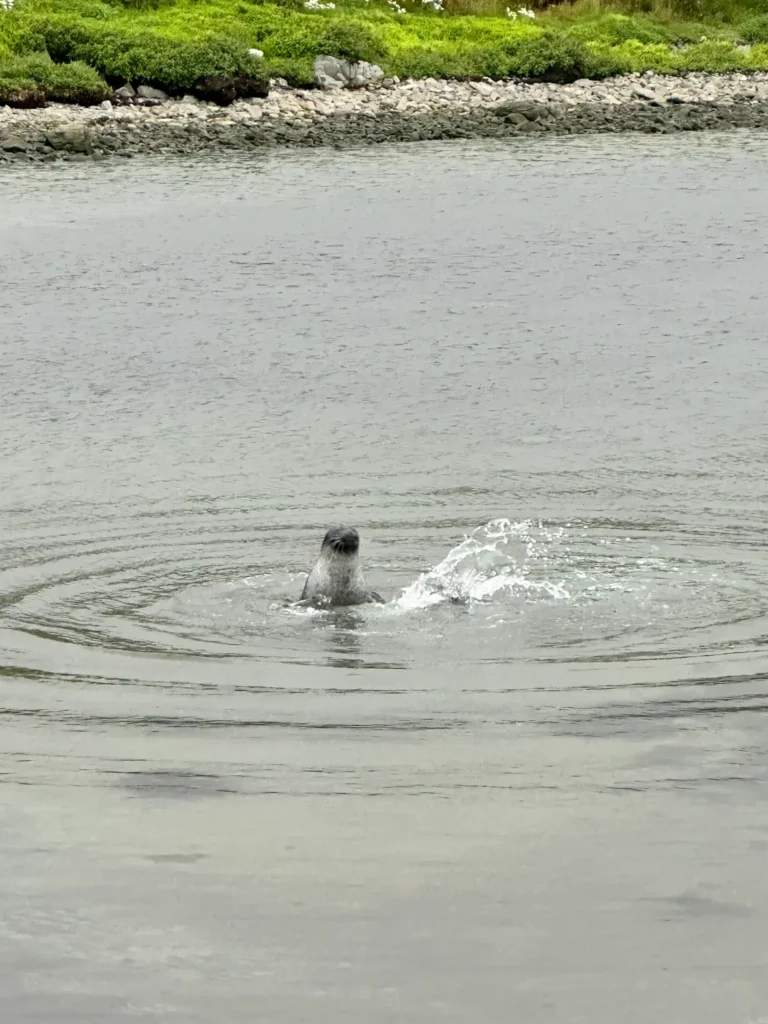
Don't scare the seals, don't get too close to them, and don't talk loudly around them. The same advice applies to puffins. Let's be kinder to our surroundings!
10. About water and food
Tap water is pure and drinkable – don't buy bottled water, just bring a thermos and refill it anywhere. You'll be surprised to see that at some gas stations or campground toilets, the water from the sink is very hot, and that's because Iceland has many geysers.
Food is a bit expensive – stock up at the Bonus, Kronan și Nettosupermarkets. Especially in the capital area, because once you get further away, there won't be any large supermarkets with reasonable prices.
11. Realistic budget
Nothing ruins a trip more than unrealistic expectations about how much you will spend. Let me tell you right from the start: Iceland is very expensive, from restaurant meals and certain products in stores (fruit and chicken) to the unique activities you can do on the island. Decent accomodations are also expensive (100-130 euros/night/2 people), camping fees are around 30 euros/night/car, and kayaking through the glaciers is about 200 euros/2 people (but worth every penny).
Estimate somewhere around 150–200 €/zi for 2 people (camper + food + gas + camping). We paid by card everywhere, but it might be a good idea to have some cash with you.
12. Enjoy Iceland - it is UNIQUE!
The last tip is really simple: enjoy what you're going to experience because nothing beats your first trip to Iceland, no matter how you do it. Of course, I recommend traveling by campervan and having as much adventure as possible, but it depends on each person's style. Dress appropriately; this is not a place for fashion, but for good clothes that keep you warm and protect you from the wind. Follow the news in case another volcano erupts, because it's definitely something you'll want to see with your own eyes.
So, have I convinced you to add Iceland to your bucket list? I think Iceland should be visited in both winter and summer to truly experience it, and if you are a nature lover and enjoy stepping outside your comfort zone, then yes, Iceland is for you! Don't forget to save and read all the other articles about Iceland and keep following me for many more similar articles 🙂
 EN
EN  RO
RO
One Comment